It is a personality pattern characterized by disregard for and violation of the rights of others, without feeling guilt or remorse. It is not the same as "being antisocial = shy." Here, "antisocial" means "against society."
It is a personality pattern characterized by disregard for and violation of the rights of others, without feeling guilt or remorse. It is not the same as "being antisocial = shy." Here, "antisocial" means "against society."
1. Key Criteria according to DSM-5
To diagnose it, 3 or more of these criteria must be met by age 15:
- 1. Disregard for laws:
- Theft, fighting, repeated scams.
- 2. Deceitfulness:
- Lying, using aliases, manipulating for personal gain.
- 3. Impulsivity:
- Lack of planning, making decisions without considering the consequences.
- 4. Irritability and aggression:
- Physical fights, assaults.
- 5. Neglect of safety:
- Self or others'. Driving under the influence, neglecting children.
- 6. Irresponsibility:
- Not paying debts, not keeping a job, not caring for family.
- 7. Lack of remorse:
- Justifying the harm: "they deserved it," "it's their problem."
Important requirements:
- Must begin before age 15 with a childish "Conduct Disorder":
lying, stealing, running away, animal cruelty. - The person must be 18+ years old for a diagnosis of ASPD.
2. How does it manifest in daily life?
- 1. Relationships:
- They manipulate, lie, abandon. They have difficulty maintaining a partner/job.
- 2. Work:
- Unstable, conflicts with authority, frequent layoffs.
- 3. Emotions:
- Superficial charm at first, but emotional coldness. They are indifferent to the harm they cause others.
- 4. Risks:
- Higher likelihood of substance abuse, legal problems, accidents.
3. Difference with others
- 1. Psychopathy:
- The term most commonly used in forensics. All psychopathy includes ASD, but not all ASD is psychopathy. Psychopathy measures emotional coldness with specific tests such as the PCL-R.
- 2. Sociopathy:
- A popular term. Similar to ASD, but it is said to be more influenced by environment. In mainstream psychiatry, ASD is used.
4. Causes
- It is multifactorial:
- Genetics + environment.
- Risk factors:
- Childhood abuse, parents with ASD/substance abuse, a violent environment, neglectful parenting. The brain often shows differences in areas related to impulse control and empathy.
5. Is there a treatment?
There is no medication that "cures" personality disorder. But it can be addressed:
- 1. Therapy::
- Cognitive-Behavioral Therapy, anger management, impulse control programs. The challenge is that the person often doesn't recognize the problem.
- 2. Symptom management:
- Medication if there is impulsivity, aggression, or comorbidity with addictions/depression.
- 3. Prognosis:
- Many improve after age 40.
Key fact:
Having some traits does not mean you have ADD. We can all lie or be impulsive sometimes. The disorder is a stable, intense pattern that damages the person's life and the lives of others from a young age.
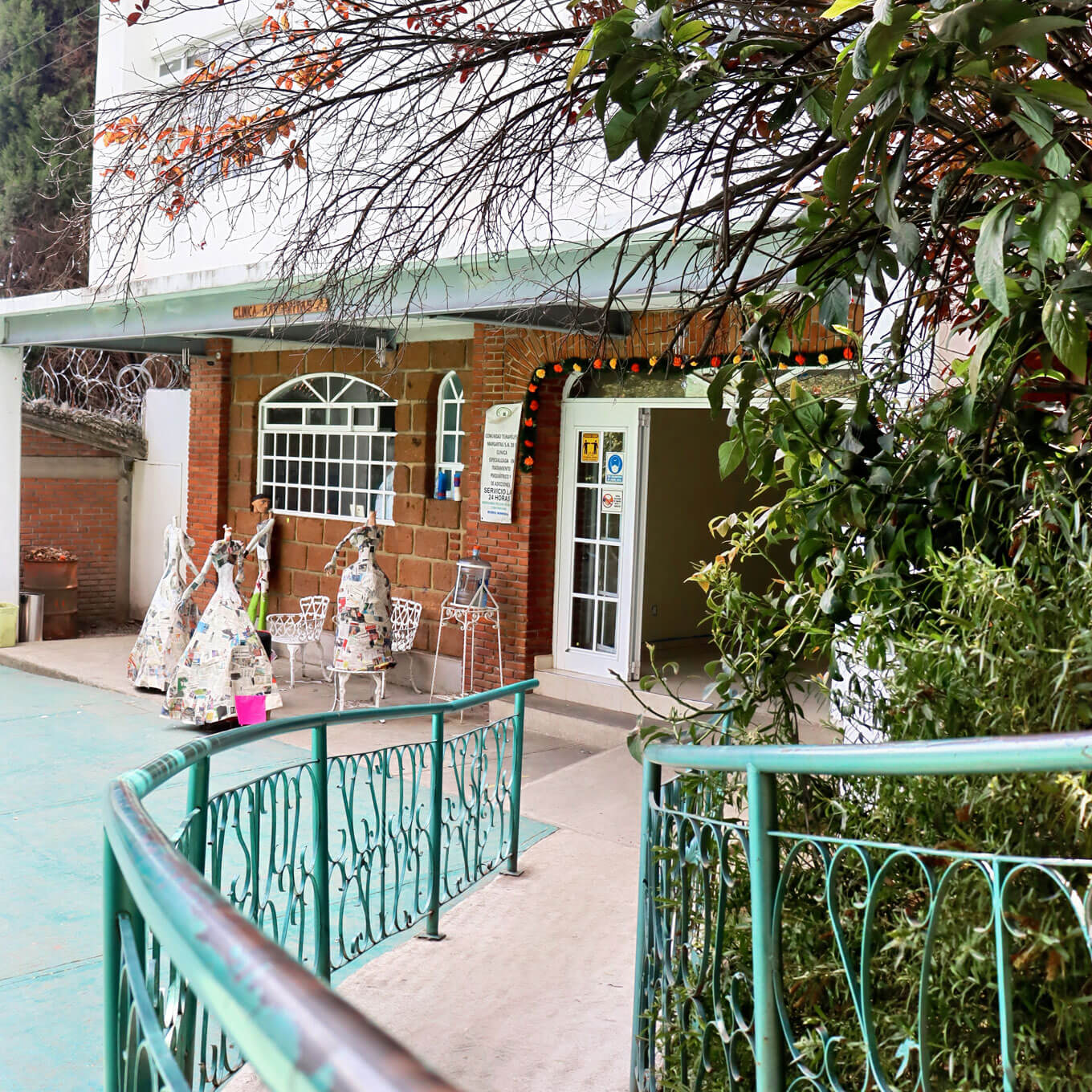
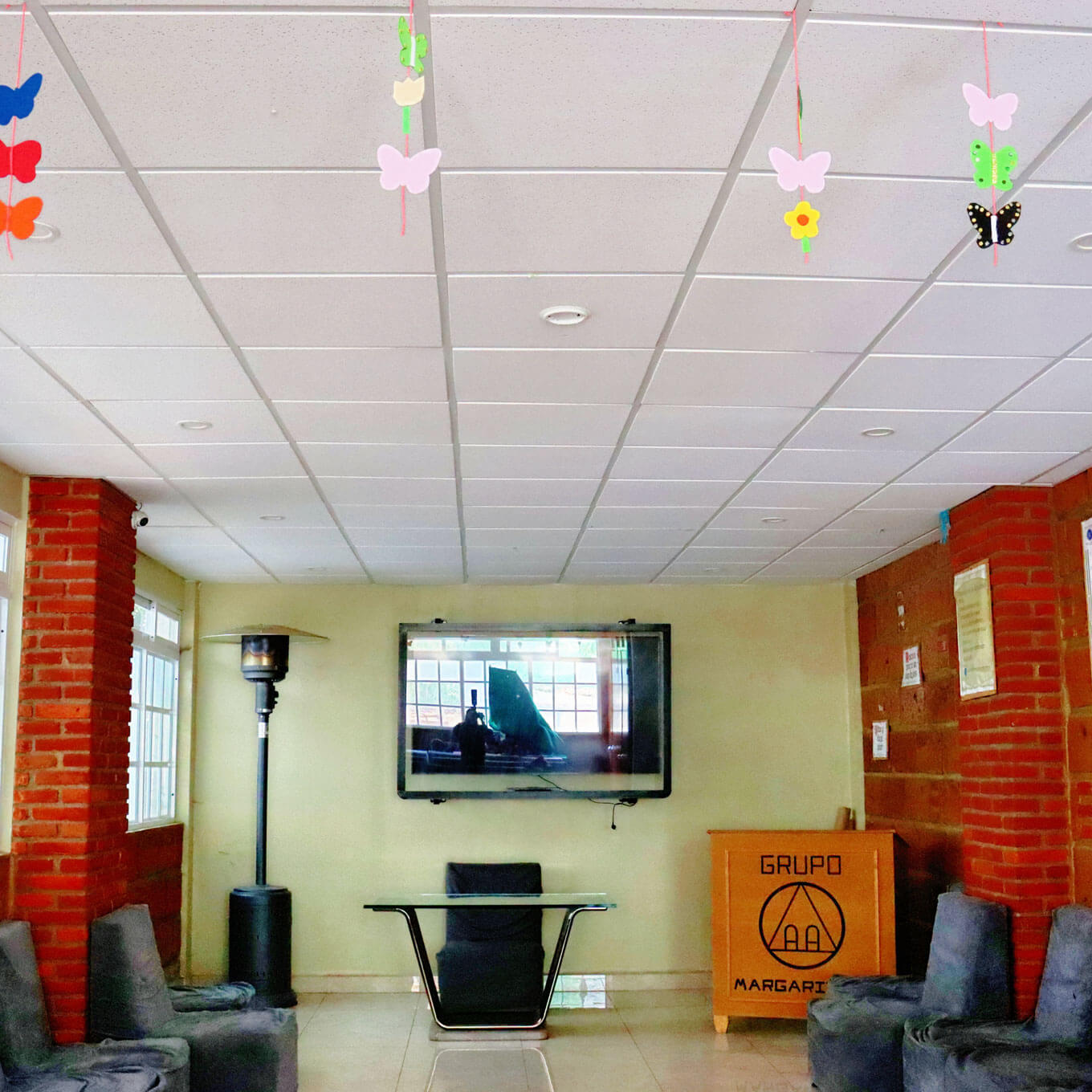
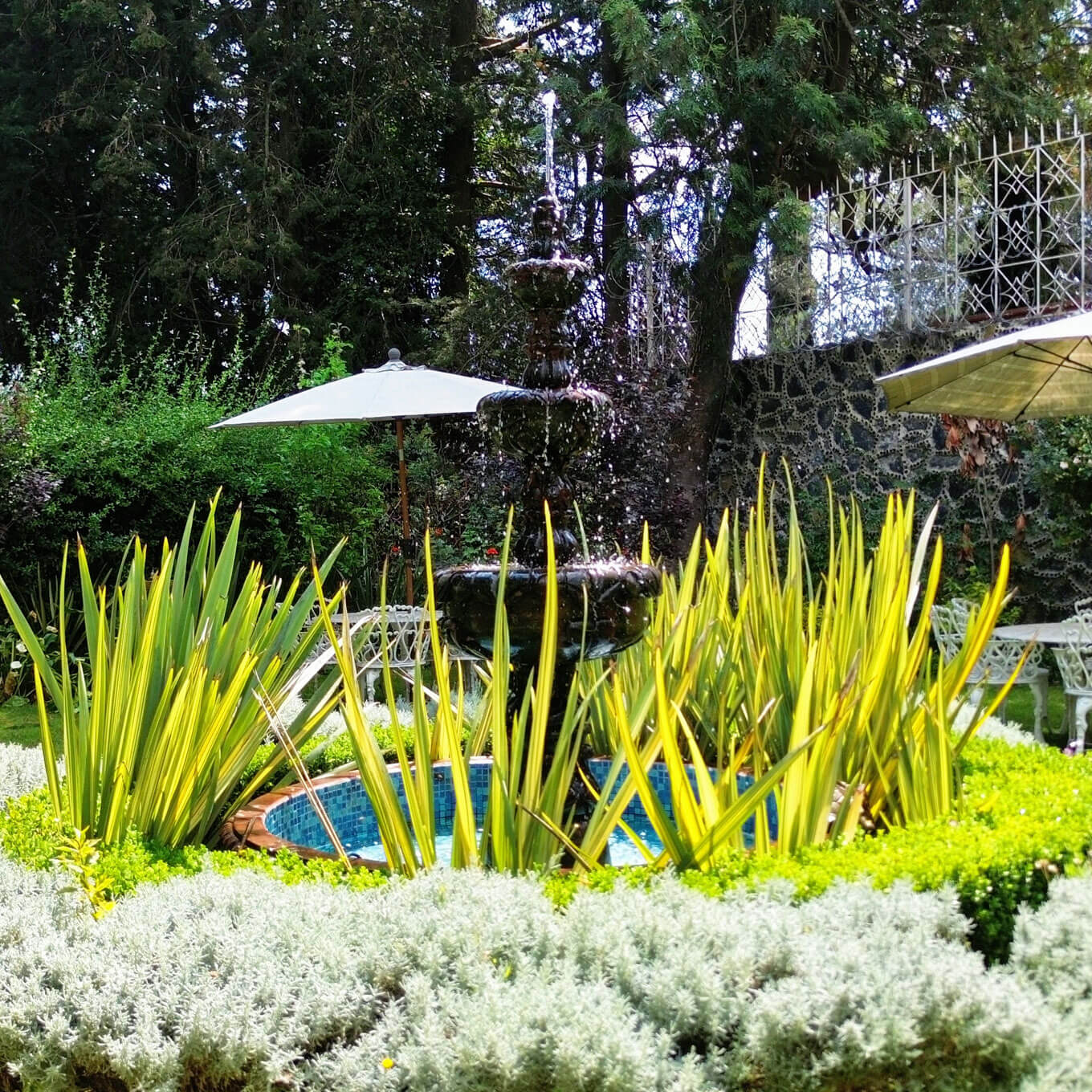
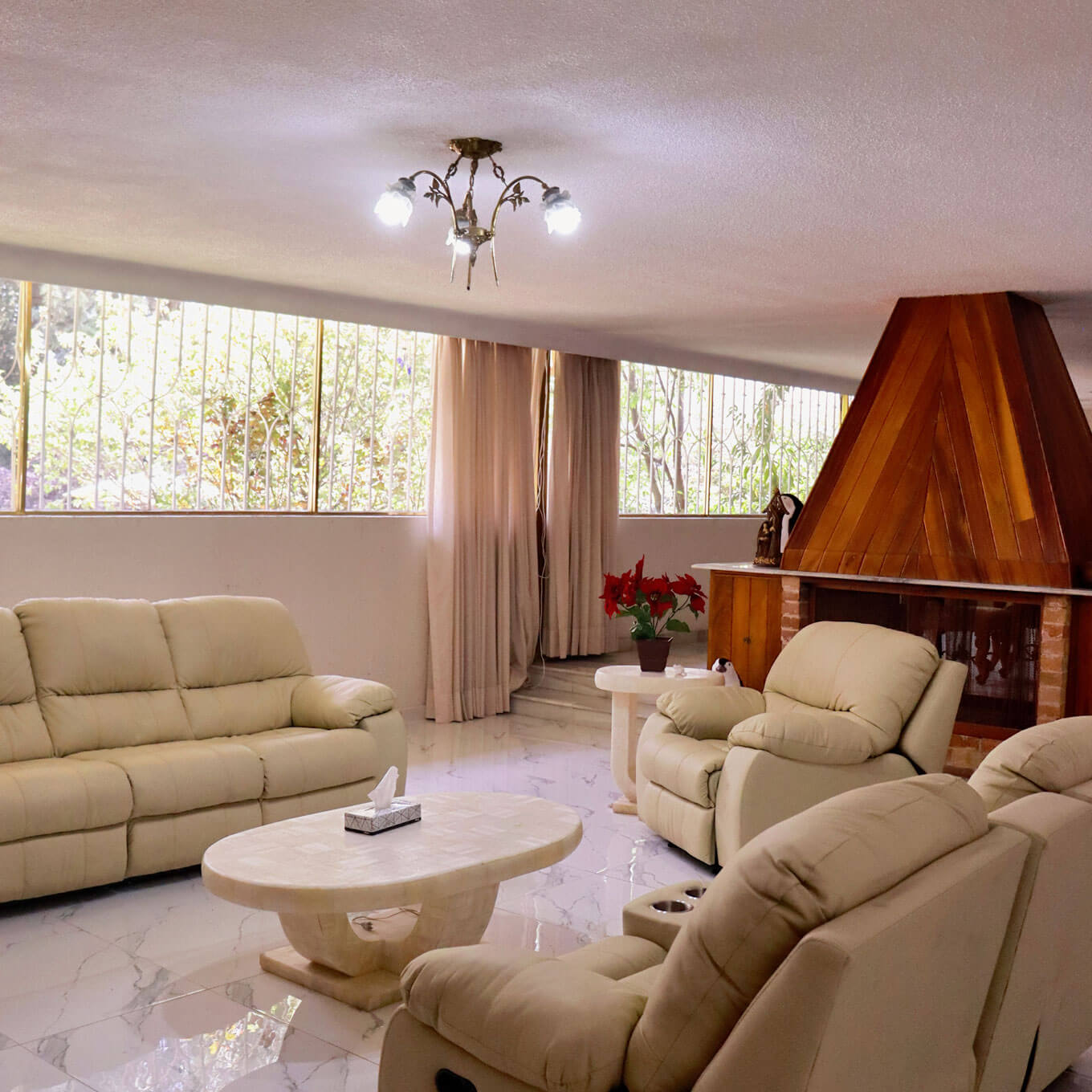

Our unique model allows patients to be in an inclusive environment, interact with society, and thrive within it. Over time, we have seen excellent results with the types of therapies and workshops we offer, which set us apart from institutions, psychiatric clinics, and other halfway houses in Mexico.

MEET OUR TEAM
Fully committed
to your mental health
Meet Margaritas Therapeutic Community
Medical Staff


Facilities
We have the best facilities in an area away from the city for the peace of mind of our patients.
- Pavilion 1
- Pavilion 2
- Sports court
- Green areas

Activities
Our therapies include a variety of activities both within and outside the community.
- Crafts and Arts Activities
- Workshops:
- Reading Workshop
- Film Discussion Workshop
- Bookbinding Workshop
-
Physical Activities:
- Movement Therapy
- Yoga
- Tai Chi
- Pilates
Treatments and Therapies
at Margaritas Therapeutic Community
Multidisciplinary Approach

Psychological Care
It focuses on guiding the patient through a health professional (psychologist).

Medical Treatment
Interconsultations with internal medicine, dentistry, neurology, gynecology etc, plus laboratory and imaging tests according to the patient's needs.

Psychological Care
It focuses on guiding the patient through a health professional (psychologist).
Medical Treatment
Interconsultations with internal medicine, dentistry, neurology, gynecology etc, plus laboratory and imaging tests according to the patient's needs.